
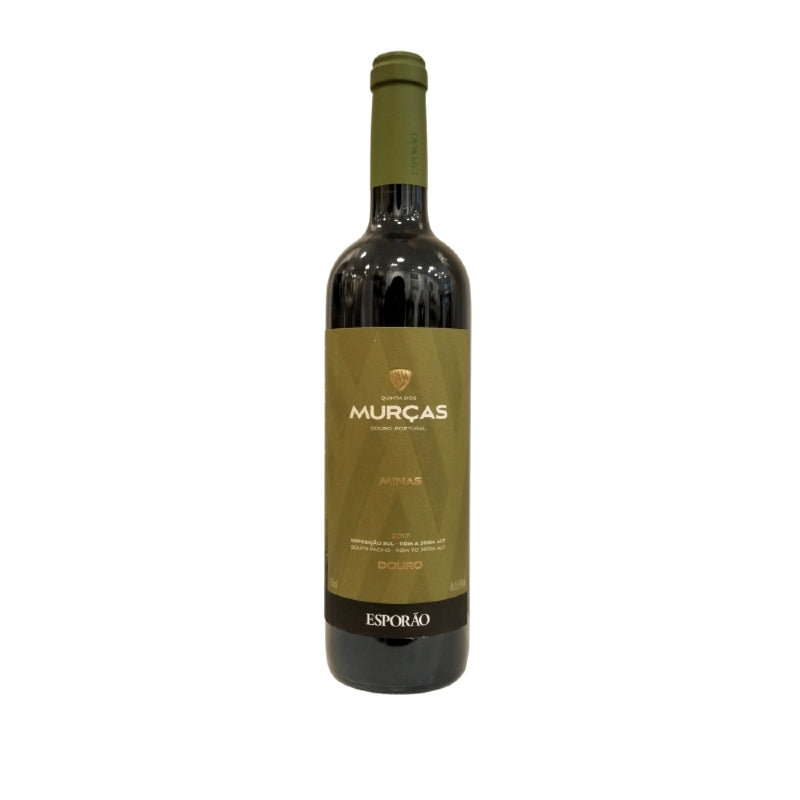
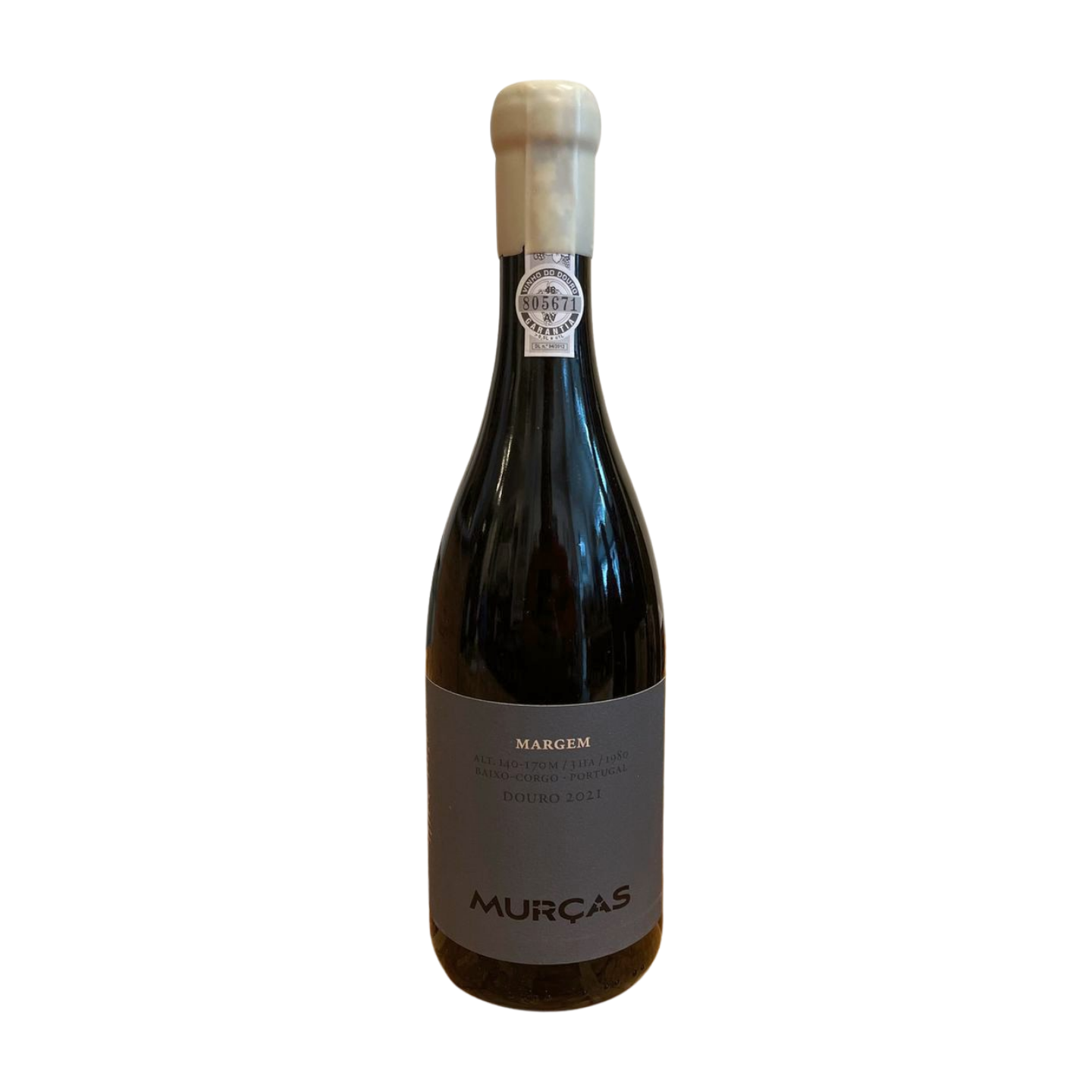
Quinta dos Murças
Established in 1714, Quinta dos Murças is one of the Douro’s most historic estates, stretching along 3.2km of the riverbank between Régua and Pinhão. While its roots go back centuries, the estate is famous in viticultural history for planting the Douro’s first vertical vineyards in 1947—a revolutionary move that challenged the region's traditional horizontal terraces.
The estate’s 155 hectares are a mosaic of diverse microclimates, characterized by steep schistose slopes and varying solar exposures. This rugged geography allows for a "vertical" style of winemaking—wines defined by elegance, structural tension, and fresh acidity rather than just sun-drenched power. Today, the vineyards are home to indigenous varieties that are naturally resilient to the Douro’s extreme climate, supported by a landscape that includes olive groves, orange orchards, and ancient Mediterranean forests.
Since joining the Esporão group in 2008, Quinta dos Murças has transitioned from sustainable farming to a fully certified organic estate (as of the 2021 vintage). Their approach goes beyond just avoiding chemicals; it is a holistic management of the ecosystem:
- Regenerative Practices: Using cover crops and grape by-products (stalks and compost) to restore soil health and sequester carbon.
- Biodiversity Corridors: Planting native hedgerows—such as wild rose and elderberry—to create "ecological highways" that support natural pest controllers.
- Water Conservation: Implementing recovery systems that have reduced winery water consumption by approximately 30%.
- These efforts earned the estate the IVDP Vintage Environment and Sustainability Award and solidified its role as a benchmark for green viticulture in Portugal.
The identity of Murças is currently shaped by a leadership transition that reflects the estate's success. José Luís Moreira da Silva, who joined as head winemaker in 2015 and spearheaded the organic conversion, was appointed CEO of Esporão in January 2026. His vision of "minimal intervention, maximum identity" remains the guiding light for the property.
In 2024, Mafalda Magalhães joined the family as the Winemaker and Viticulture Manager for Quinta dos Murças. Bringing extensive experience from the Douro and Argentina, Mafalda focuses on revitalizing old, pre-phylloxera vineyards and advancing the estate’s commitment to regenerative agriculture. Under this leadership, the wines continue to be celebrated for their finesse and deep connection to the schist soils of the Cima Corgo.
Filters
Portuguese wine
Frequently asked questions
The entire country of Portugal is divided into 14 different wine regions, including in the Azores and Madeira islands. Some of Portugal's most famous winemaking regions include the Douro Valley (known for Port) and Vinho Verde (known for its light, refreshing white wines).
Portugal is becoming more well known for its orange wines, talha wines (traditionally made in clay pots), and palhete (made by blending red and white grapes together).
Portugal is best known for its fortified wine, called Port wine. It is produced in the Douro Valley, which is a UNESCO World Heritage Site and recognized as the world's first demarcated wine region, established in 1756.
Vinho Verde in northern Portugal is another popular winemaking region characterized by rolling hills and lush landscapes. It's known around the world for low-alcohol, refreshing white wines, although the region traditionally focused more on red wines made with the fruit-forward vinhão grape.
The Portuguese island of Madeira, with its subtropical climate, is renowned for its fortified wines. Winemaking here dates back to the 15th century, when Portuguese
explorers brought grape varieties from around the world.
Our sustainable, natural wine shop is located in the Marquês neighborhood in Porto, Portugal. We also ship to countries around the world, including within Europe, the United States, Canada, Australia, China, and more. Review our Shipping Policy to learn more.
In recent years, there has been a notable shift toward sustainable viticulture and the production of natural wine in Portugal. Many winemakers are implementing organic farming practices and embracing biodiversity to maintain soil health and reduce chemical inputs. This commitment to sustainability is not only beneficial for the environment but also enhances the quality of the wines, allowing the unique characteristics of the terroir to shine through. For example, some winemakers are now utilizing ancient terracotta amphorae for fermentation (called talha in Portuguese). This method preserves regional cultural heritage, enhances the wine's character, and aligns with sustainable practices by reducing reliance on modern materials.