
Vale dos Ares
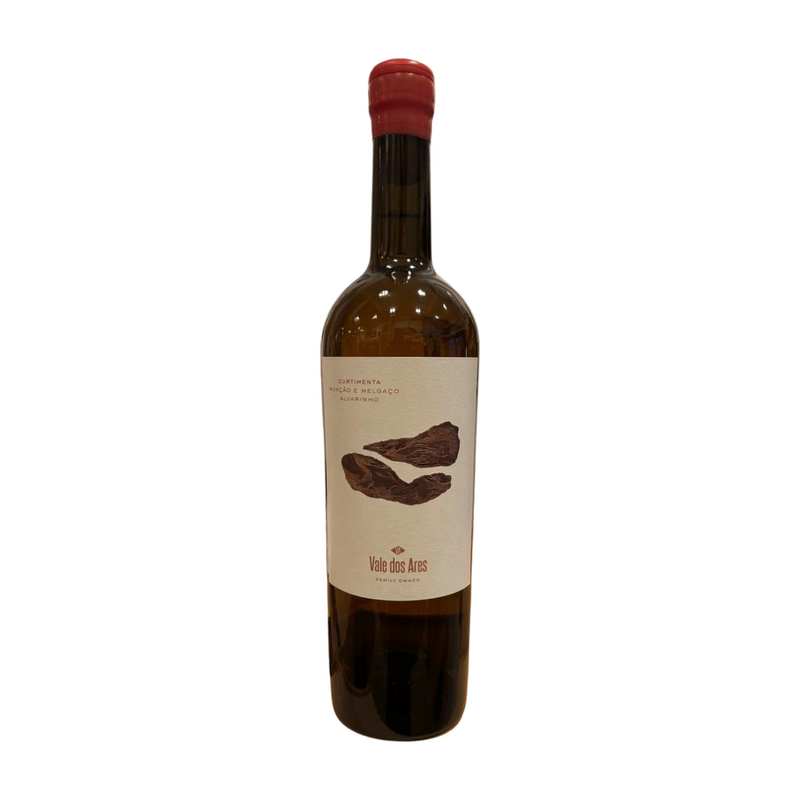
Vale dos Ares has steadily earned recognition as one of the most thoughtful and terroir‑driven producers in the Vinho Verde region, particularly within the prized subzone of Monção e Melgaço. This northern pocket of Portugal, defined by granitic soils, Atlantic influence, and a long tradition of cultivating Alvarinho, provides the estate with an ideal landscape for crafting wines of precision and character. From its inception, Vale dos Ares has focused on small‑scale viticulture and a philosophy that privileges authenticity over volume, allowing each parcel to express its individuality.
The estate’s commitment to sustainability is evident in both its vineyard practices and its cellar decisions. Farming is conducted manually, with careful attention to soil health and biodiversity, and interventions are kept to a minimum to preserve the natural balance of the vines. In the winery, the team favors traditional Portuguese chestnut barrels, a choice that not only reduces reliance on imported oak but also reflects a regional heritage that predates the modern era of winemaking. This combination of environmental awareness and cultural continuity has become a defining feature of Vale dos Ares’ identity.
At the center of the estate’s evolution is winemaker Gabriela Albuquerque, whose work bridges technical expertise with a deep respect for local tradition. Albuquerque has played a pivotal role in refining the estate’s stylistic direction, particularly through her exploration of curtimenta, or skin‑fermented white wines. Her approach emphasizes texture, purity, and longevity, resulting in wines that are both expressive and structurally compelling. Under her guidance, Vale dos Ares has embraced a style that honors the historical methods of the region while presenting them through a contemporary lens.
Today, Vale dos Ares stands as a reference point for producers seeking to balance innovation with authenticity in Vinho Verde. Its wines capture the tension between freshness and depth that defines Monção e Melgaço, offering a clear expression of place shaped by thoughtful farming and meticulous craftsmanship. Through Albuquerque’s leadership and the estate’s unwavering commitment to sustainable, small‑scale production, Vale dos Ares continues to help redefine what Vinho Verde can be for a new generation of wine enthusiasts.
Portuguese wine
Frequently asked questions
The entire country of Portugal is divided into 14 different wine regions, including in the Azores and Madeira islands. Some of Portugal's most famous winemaking regions include the Douro Valley (known for Port) and Vinho Verde (known for its light, refreshing white wines).
Portugal is becoming more well known for its orange wines, talha wines (traditionally made in clay pots), and palhete (made by blending red and white grapes together).
Portugal is best known for its fortified wine, called Port wine. It is produced in the Douro Valley, which is a UNESCO World Heritage Site and recognized as the world's first demarcated wine region, established in 1756.
Vinho Verde in northern Portugal is another popular winemaking region characterized by rolling hills and lush landscapes. It's known around the world for low-alcohol, refreshing white wines, although the region traditionally focused more on red wines made with the fruit-forward vinhão grape.
The Portuguese island of Madeira, with its subtropical climate, is renowned for its fortified wines. Winemaking here dates back to the 15th century, when Portuguese
explorers brought grape varieties from around the world.
Our sustainable, natural wine shop is located in the Marquês neighborhood in Porto, Portugal. We also ship to countries around the world, including within Europe, the United States, Canada, Australia, China, and more. Review our Shipping Policy to learn more.
In recent years, there has been a notable shift toward sustainable viticulture and the production of natural wine in Portugal. Many winemakers are implementing organic farming practices and embracing biodiversity to maintain soil health and reduce chemical inputs. This commitment to sustainability is not only beneficial for the environment but also enhances the quality of the wines, allowing the unique characteristics of the terroir to shine through. For example, some winemakers are now utilizing ancient terracotta amphorae for fermentation (called talha in Portuguese). This method preserves regional cultural heritage, enhances the wine's character, and aligns with sustainable practices by reducing reliance on modern materials.