
Gardunha Sul
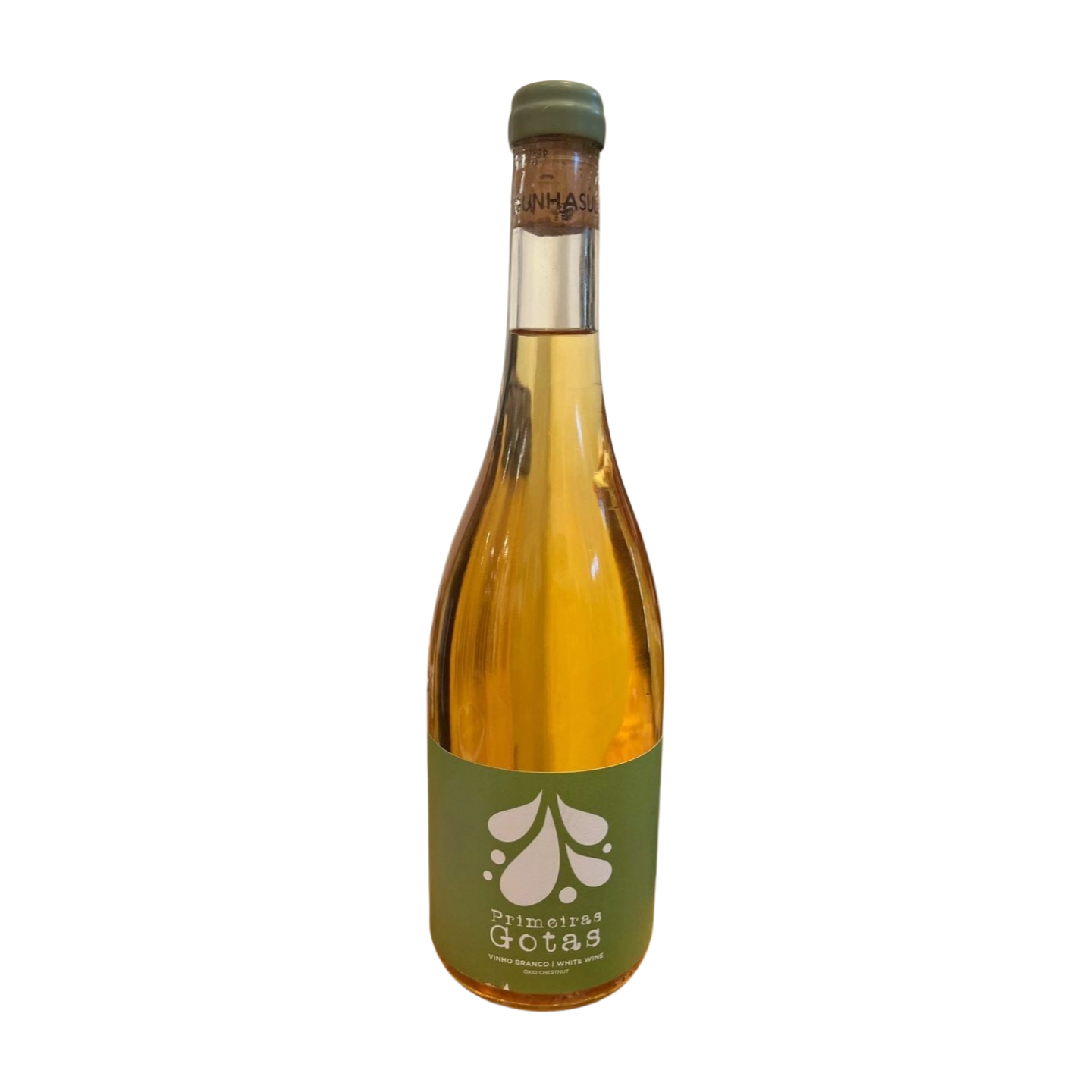
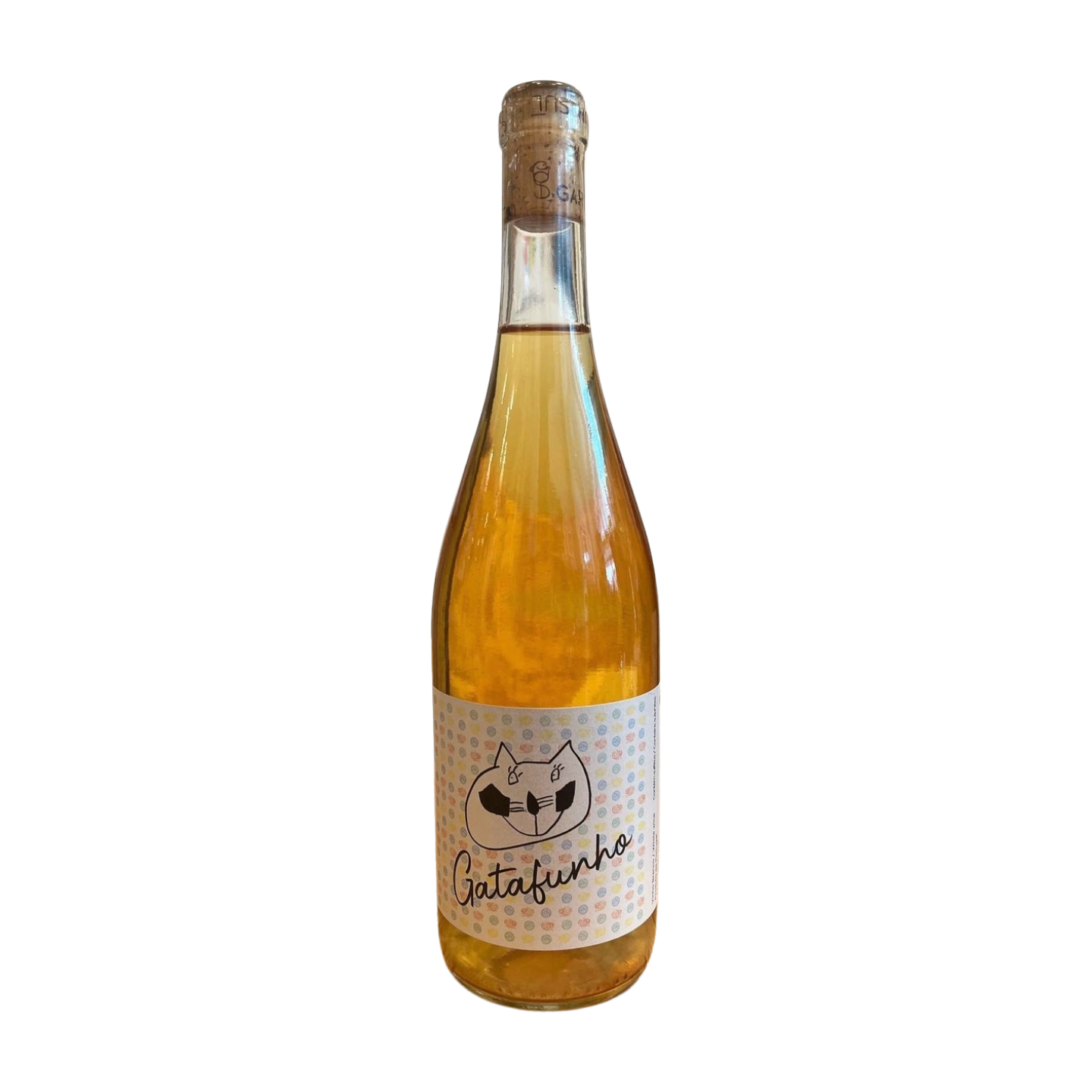
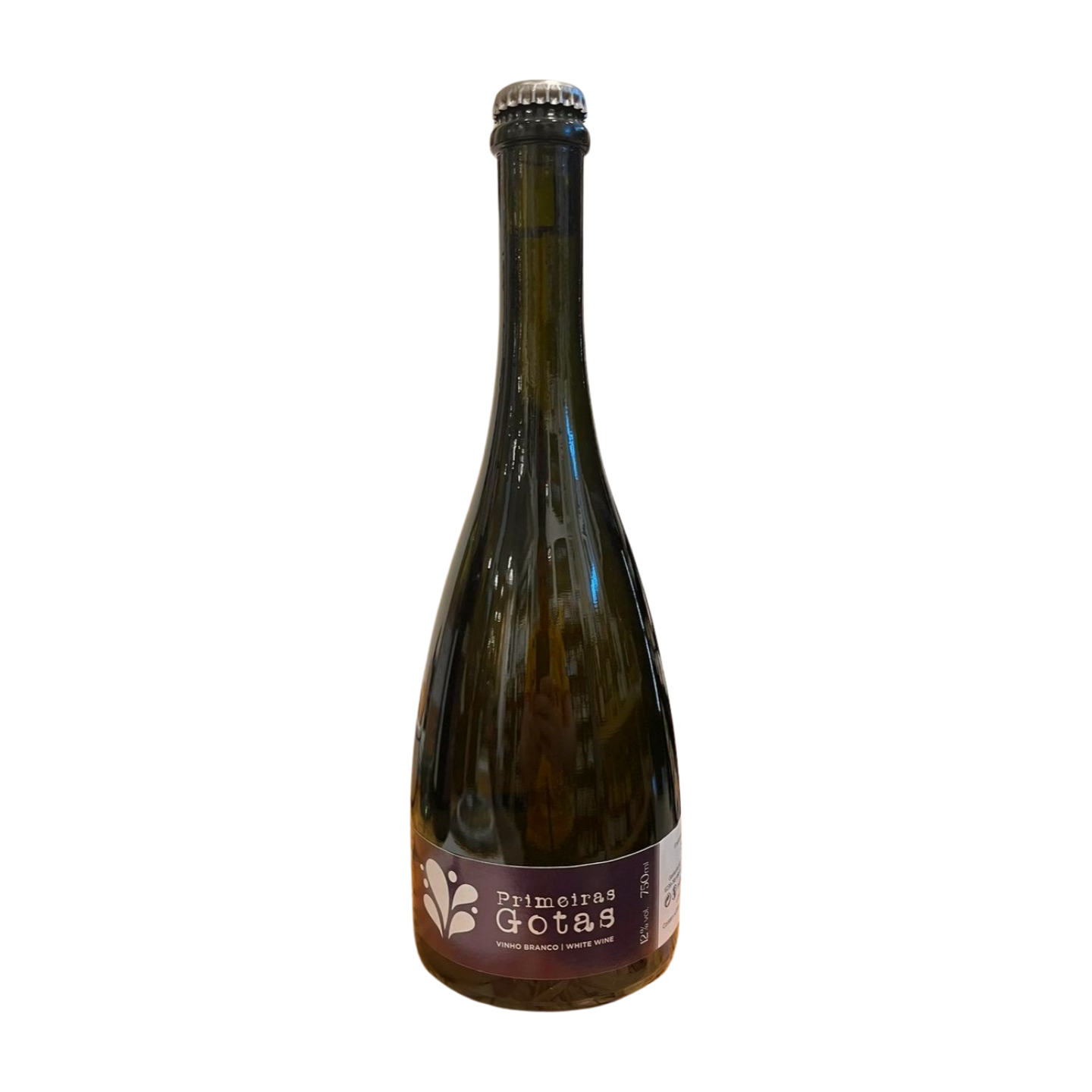
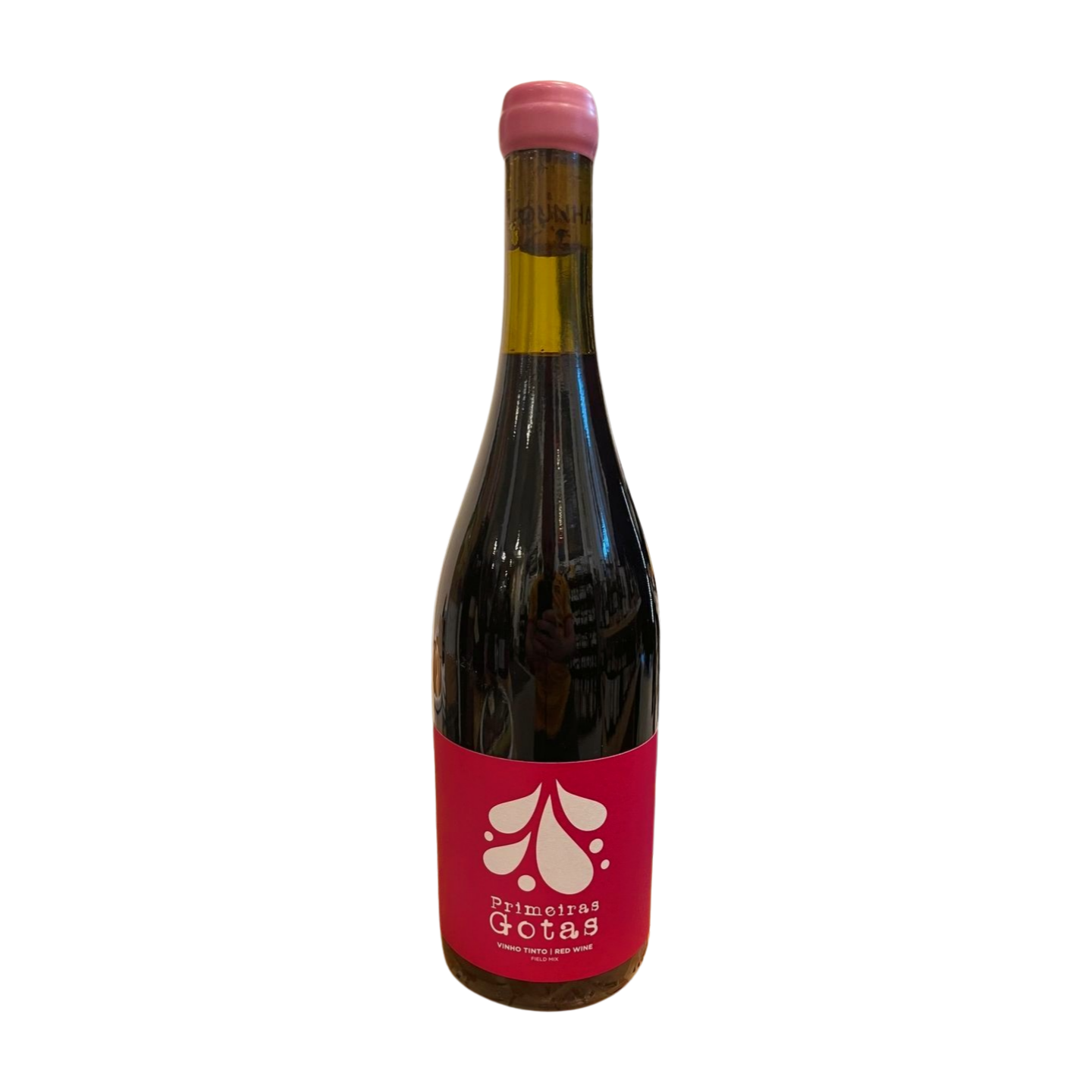
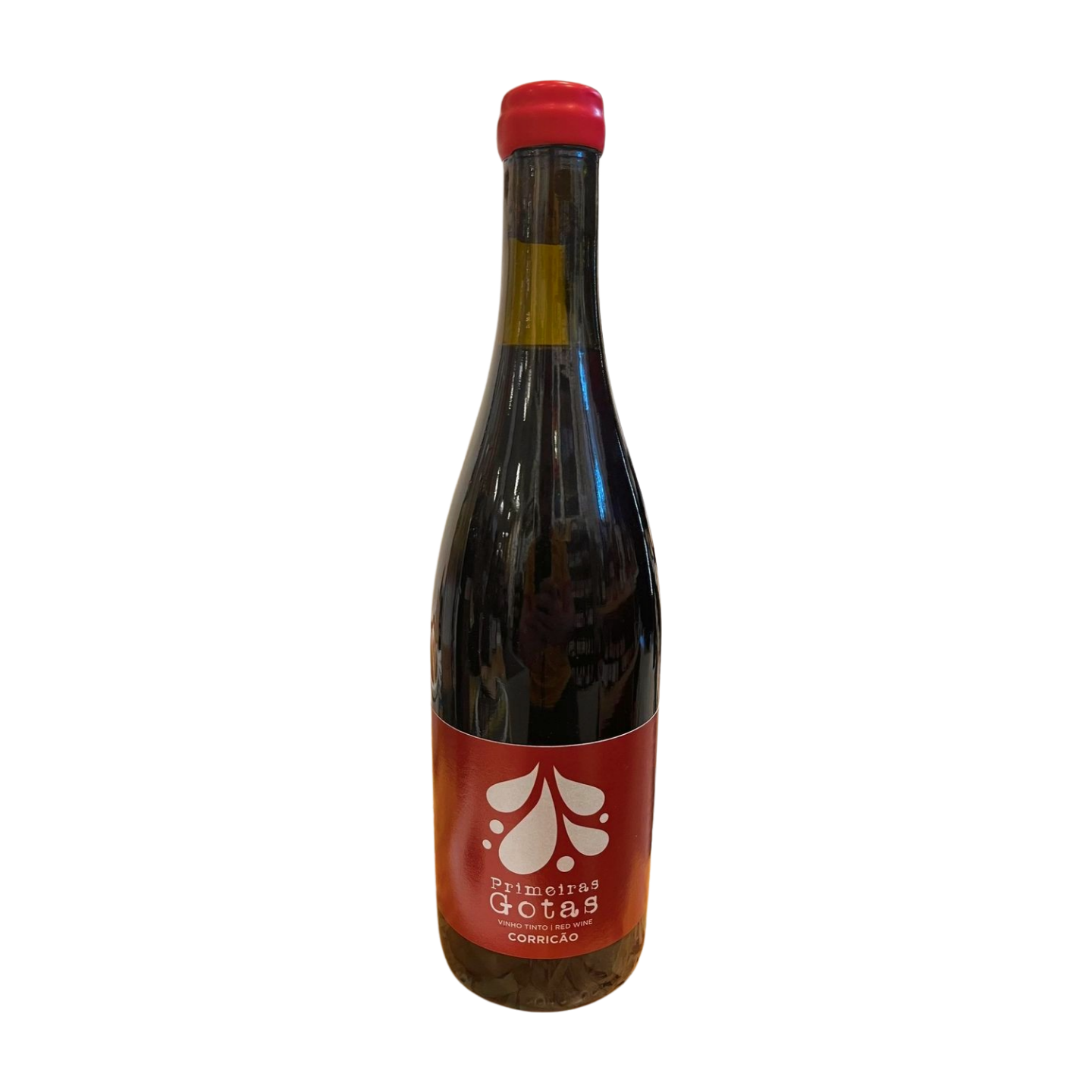
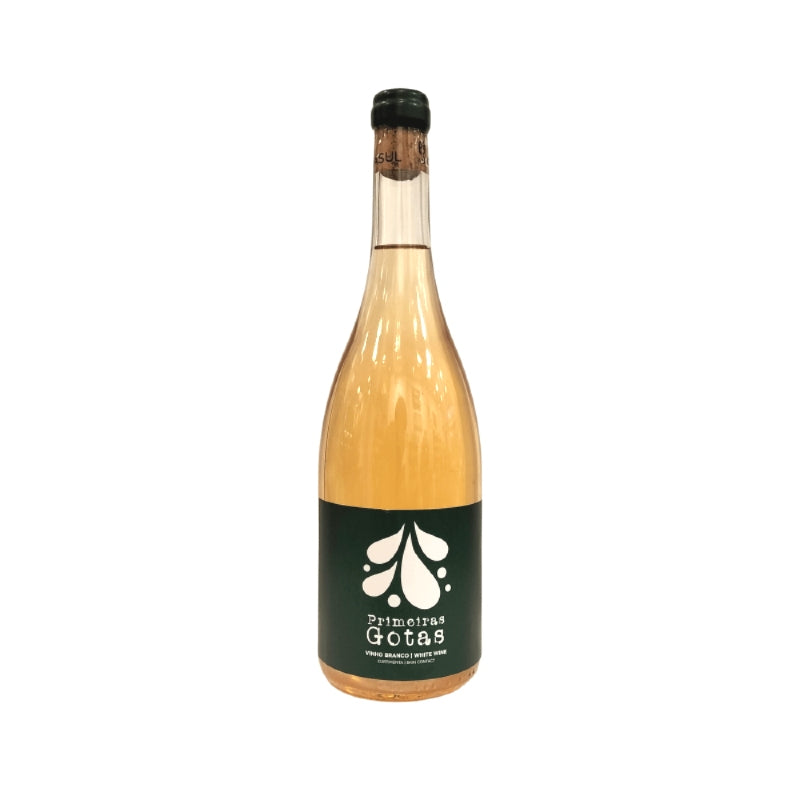
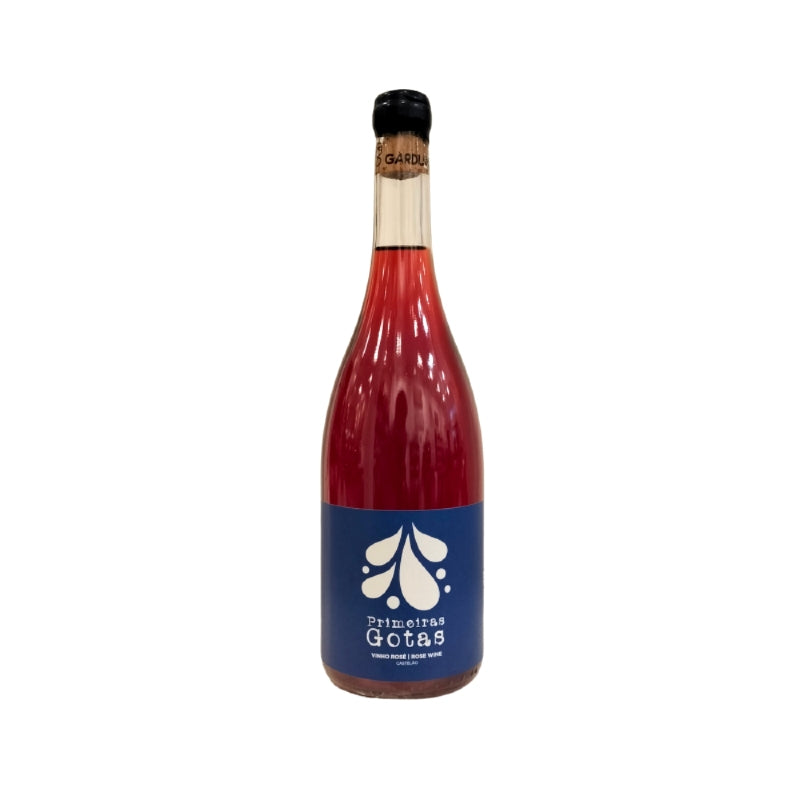
Gardunha Sul represents a profound pivot for winemaker André Duque Lourenço, who spent fifteen years navigating the precision of industrial oenology before returning to his ancestral roots in the Beira Interior. Launched during the 2020 lockdown, the project is a deliberate "unlearning" of standardized, commercial winemaking in favor of what André calls "radical honesty." By sourcing fruit from the rugged Cova da Beira, he has moved away from the heavy-handed manipulation of his past career, opting instead for a stewardship that prioritizes the raw, unadulterated essence of the grape and the cultural memory of his grandfather’s artisanal, "homemade" methods.
The character of these wines is dictated by the dramatic topography of the Gardunha Mountain, where André skillfully balances fruit from the sun-drenched southern slopes with the cooler, high-acid yields of the northern reaches. This interplay, rooted in a complex bedrock of granite, schist, and quartz, produces wines with a distinct mineral tension and saline persistence that resonate with their high-altitude origin. In the cellar, this translates to a low-intervention approach defined by spontaneous fermentations with indigenous yeasts and extended skin maceration for both reds and whites. Eschewing the ubiquity of French oak, André often employs traditional Portuguese chestnut barrels to impart a unique, textured complexity that respects the wine's vibrant, living energy without masking its terroir.
Beyond the bottle, Gardunha Sul is an act of viticultural preservation centered on both environmental and social sustainability. André focuses on rescuing abandoned vineyards and championing "forgotten" indigenous varieties—such as Rufete, Marufo, and Fonte Cal—that are frequently overlooked by larger commercial interests. While his farming aligns with organic and biodynamic principles to ensure vineyard resilience, his impact is equally felt through a commitment to economic sustainability. By paying elderly local growers significantly above market rates, he ensures the survival of ancient vines and the livelihood of traditional farming families, transforming each bottle into a safeguard for the cultural and genetic identity of the Beira Baixa.
Filters
Portuguese wine
Frequently asked questions
The entire country of Portugal is divided into 14 different wine regions, including in the Azores and Madeira islands. Some of Portugal's most famous winemaking regions include the Douro Valley (known for Port) and Vinho Verde (known for its light, refreshing white wines).
Portugal is becoming more well known for its orange wines, talha wines (traditionally made in clay pots), and palhete (made by blending red and white grapes together).
Portugal is best known for its fortified wine, called Port wine. It is produced in the Douro Valley, which is a UNESCO World Heritage Site and recognized as the world's first demarcated wine region, established in 1756.
Vinho Verde in northern Portugal is another popular winemaking region characterized by rolling hills and lush landscapes. It's known around the world for low-alcohol, refreshing white wines, although the region traditionally focused more on red wines made with the fruit-forward vinhão grape.
The Portuguese island of Madeira, with its subtropical climate, is renowned for its fortified wines. Winemaking here dates back to the 15th century, when Portuguese
explorers brought grape varieties from around the world.
Our sustainable, natural wine shop is located in the Marquês neighborhood in Porto, Portugal. We also ship to countries around the world, including within Europe, the United States, Canada, Australia, China, and more. Review our Shipping Policy to learn more.
In recent years, there has been a notable shift toward sustainable viticulture and the production of natural wine in Portugal. Many winemakers are implementing organic farming practices and embracing biodiversity to maintain soil health and reduce chemical inputs. This commitment to sustainability is not only beneficial for the environment but also enhances the quality of the wines, allowing the unique characteristics of the terroir to shine through. For example, some winemakers are now utilizing ancient terracotta amphorae for fermentation (called talha in Portuguese). This method preserves regional cultural heritage, enhances the wine's character, and aligns with sustainable practices by reducing reliance on modern materials.