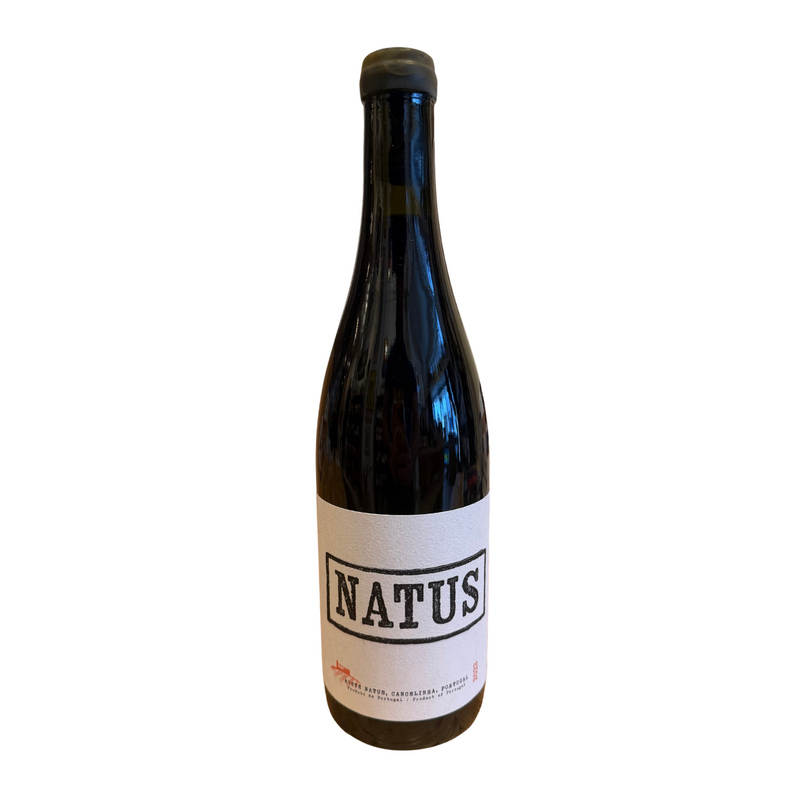
Natus Vini is an artisanal wine producer located in the heart of Vidigueira, Alentejo, founded by Hamilton Reis and his family. The project began in 2008, when they acquired 4 hectares of abandoned land in the foothills of the Serra do Mendro. Driven by a desire to craft wines that embody the region's true identity, the family spent nearly a decade restoring the soil, which had been depleted by decades of chemical use, before planting their first vines in 2017. Today, Natus Vini is recognized for producing limited quantities of expressive, elegant wines that focus on traditional varieties like Trincadeira, Castelão, Alfrocheiro, and Tinta Miúda.
At the center of this project is Hamilton Reis, a trained agronomist, microbiologist, and experienced winemaker. Beyond his own label, Reis serves as the Director of Winemaking at the renowned Herdade do Mouchão, bringing a depth of scientific expertise to his own “garage winery.” His winemaking philosophy is defined by a deep respect for ancestral techniques and minimal intervention. He consciously avoids the label of “natural wine,” preferring to emphasize the human role as a craftsman who guides the process rather than dictating it. Reis believes in letting the grapes and the land speak for themselves, producing wines characterized by freshness, balance, and a distinct mineral character that reflects the region's unique schist soils.
Sustainability is the foundational pillar of Natus Vini rather than an afterthought. The property is managed through rigorous organic principles, completely eschewing synthetic pesticides, herbicides, and insecticides. To restore the ecosystem's health, the vineyard uses dry-farming techniques, relying solely on natural rainfall, and employs livestock for natural fertilization. The vineyard layout itself is designed for sustainability; white varieties are grown on two-meter-tall pergolas to provide natural shade, protecting the grapes from heat and preserving acidity.
In the cellar, this commitment continues with low-intervention practices. Grapes are harvested by hand and often trodden by foot. For their signature Natus label, fermentation occurs spontaneously with indigenous yeasts, often starting in traditional clay amphorae—a nod to the region's ancient history—before finishing in old oak barrels. Because of the intensity of this personal, hands-on process, production remains intentionally small, with approximately 20,000 bottles produced annually across their Natus and Intus ranges, ensuring the highest level of care for every vine and every bottle.